EU sustainability legislation exists to drive the shift to a more sustainable, resilient economy. That purpose hasn’t changed. But after the Omnibus process, requirements are narrower, timelines are pushed back, and thresholds are higher. This is part of a wider shift. Sustainability policy is now linked to competitiveness, industrial policy, and resilience. For companies trying to stay compliant, the challenge is knowing what matters right now, not tracking every update.
Join us for an update with Professor Andreas Rasche (Copenhagen Business School), who will walk us through:
- Where EU sustainability legislation currently stands and where it’s heading what the Omnibus process has changed, and what hasn’t
- What does this mean in practice and how companies can prioritize what to act on, rather than reacting to every development
- How SMEs should approach sustainability reporting now including whether VS (voluntary standard) is becoming the de facto standard below the CSRD thresholds, and how to navigate reporting demands that increasingly come from customers and banks rather than from regulation itself
As always in our network meetings, the focus is practical: analysis you can use and time for questions.
Speaker
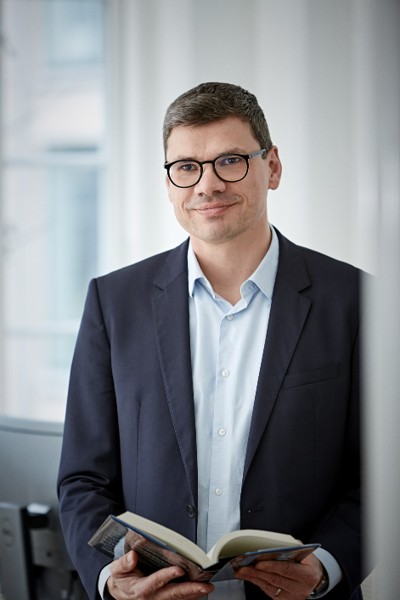
Andreas Rasche
Andreas Rasche is a Professor at Copenhagen Business School (CBS) and Associate Dean for the CBS Full-Time MBA Program. He has taught courses in the MBA and doctoral programs, chaired Executive Education programs, authored more than 60 academic articles and cases, and published seven books. He has collaborated with the United Nations and WHO on several projects and served on the United Nations Global Compact LEAD Steering Committee as well as Novo Nordisk’s Sustainability