Following the US Supreme Court’s decision in Learning Resources striking down the “IEEPA tariffs,” the landscape for Swedish companies navigating U.S. import regulations and market entry continues to evolve rapidly. The Administration acted swiftly, imposing new universal tariffs of 10% under a rarely-invoked statute, section 122 of the Trade Act of 1974. While this action already faces its own legal challenges, the bigger question will be what comes next when the Section 122 duties expire in July. The United States has already launched new investigations into dozens of specific countries under Section 301, concerning “structural excess capacity” and the circulation of goods made with forced labor. Both the European Union (including its member states) and China come within the scope of these investigations.
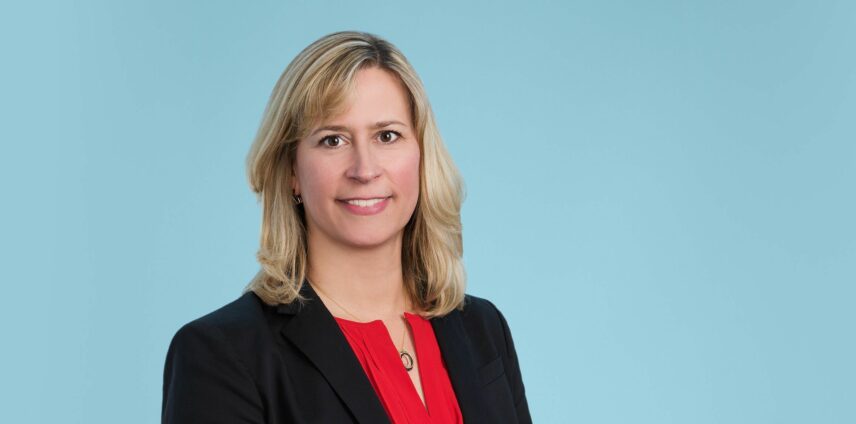
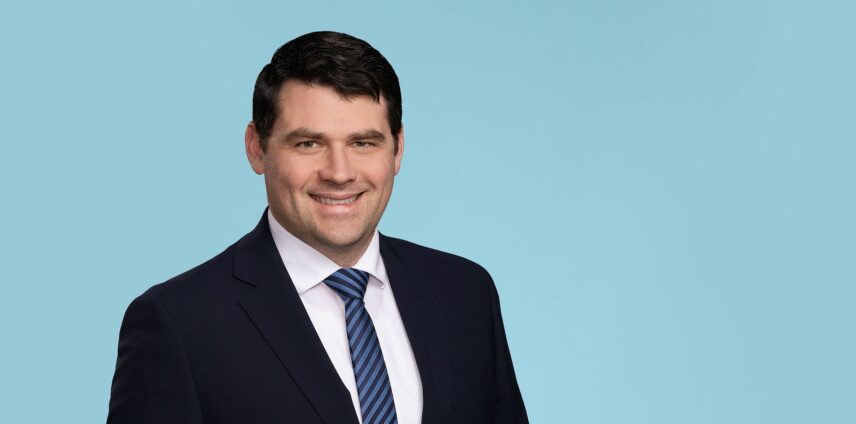
During this webinar, trade experts Nancy Fischer and Julian Beach from the law firm Pillsbury Winthrop Shaw Pittman in Washington will provide us with an update on ever-evolving American trade policy and what we can expect in the near future.
What to expect after the new 122-section tariffs?
Presenters will give an overview of how the Administration is expected to pivot towards country-specific (section 301) and sector-specific (section 232) tariffs to replace IEEPA and Section 122.
The new investigation concerning overcapacity and forced labour
Nancy and Julian will provide context for these Section 301 investigations as they fit within broader U.S. trade and industrial policy, share views on why the Administration has chosen to focus on these issues, and where they might lead.
Status of Section 232-investigation?
At the same time, the U.S. Commerce Department continues to progress a slew of investigations under a different national security law – Section 232. We’ll learn more about recent updates and anticipated next steps in tariffs on products from critical minerals to pharmaceuticals to copper and steel, which have significant impact on European exporters.
How can companies act to get carve out from section 232-tariffs?
Nancy and Julian will describe how companies and other stakeholders can engage in these investigations to protect their supply chain. They will also offer recommendations on steps some companies can take when their products become targeted by duties under Section 232 or Section 301.
U.S. Market Entry Considerations
For companies interested in establishing themselves as U.S. producers, expanding their U.S. footprint, or gaining government contracts, the presenters will briefly touch on key regulatory considerations, such as foreign investment reviews, FOCI mitigation, and domestic content requirements.
Feel free to recommend this webinar to your colleagues!
Nancy A. Fischer and Julian M. Beach from Pillsbury Winthrop Shaw Pittman
Nancy A. Fischer – Nancy Fischer, Pillsbury’s global head of the Regulatory practice, is consistently recognized by Chambers and other publications as a leading authority on international trade law.
Nancy advises a global clientele on international trade matters and dispute resolution and the impact of U.S. regulations on worldwide trade and investments. She provides guidance on export controls, economic sanctions, CFIUS reviews, Foreign Corrupt Practices Act (FCPA) and other anti-bribery laws, trade remedies and customs, including supply chain, domestic content and U.S. government funding matters. Nancy has represented large industry coalitions in disputes, including a group of nuclear utilities in the first antidumping matter before the U.S. Supreme Court.
Nancy has extensive experience providing strategic advice to European-based companies (especially the Nordic countries) on U.S. market entry and expansion and navigating supply chain realignments. Her industry expertise includes defense, emerging technology, energy, aviation, maritime, and manufacturing, among others.
Julian M. Beach – A special counsel in the International Trade group, Julian Beach focuses his practice on trade, customs, national security law and litigation. Julian works with numerous Nordic manufacturers and exporters on trade compliance, tariff mitigation strategies, and U.S. market regulatory considerations.
Coming out of the U.S. Departments of Commerce and Justice, Julian has extensive experience advising domestic and international producers on trade actions under Section 232, Section 301, and the antidumping and countervailing duty (AD/CVD) laws, and representing his clients in administrative proceedings and litigation in the federal courts. He provides importers and manufacturers with a wide range of customs and tariff advice on country-of-origin, valuation, classification and compliance with international trade agreements and frameworks. Julian also represents clients in transaction reviews before the Committee on Foreign Investment in the United States (CFIUS) and helps companies navigate domestic content requirements and FEOC restrictions under the CHIPS Act, Buy America Build America requirements and other domestic investment incentive programs.